
Chaga: Ergothioneine - Nature's Longevity Molecule
Among medicinal mushrooms, Chaga occupies a unique position. While Lion's Mane is associated with cognitive performance and Reishi is known for recovery and resilience, Chaga has become the mushroom most closely linked to longevity. One reason is a remarkable compound called ergothioneine.
Researchers have become increasingly interested in ergothioneine because of its potential role in protecting cells from oxidative stress, supporting mitochondrial health, and promoting cellular resilience over time. While Chaga contains a diverse spectrum of bioactive compounds, ergothioneine has emerged as one of the most compelling compounds in longevity science.
Understanding why helps explain why Chaga has become a favourite among longevity researchers, biohackers, and healthy ageing enthusiasts around the world.
Why Chaga Has Become the Longevity Mushroom
Ageing is often thought of as something we see in the mirror. Wrinkles. Loss of elasticity. Slower recovery. Reduced energy. But long before ageing becomes visible, it begins at a cellular level.
Every day, our cells are exposed to oxidative stress generated by normal metabolism, environmental pollutants, ultraviolet radiation, poor sleep, psychological stress, and the simple process of living. Over time, this cumulative damage can affect proteins, DNA, mitochondria, and the structures responsible for maintaining healthy tissues throughout the body.
Researchers believe this gradual accumulation of cellular damage is one of the factors contributing to many of the changes we associate with ageing. This is why Chaga has attracted so much scientific interest. Unlike many medicinal mushrooms that are studied primarily for cognitive performance or stress resilience, Chaga has become closely associated with cellular protection, antioxidant activity, and healthy ageing. At the centre of that story sits ergothioneine.
What Is Ergothioneine?
Ergothioneine is one of the most studied compounds found within Chaga. Produced naturally by fungi, it has attracted significant scientific interest because the human body possesses a specialised transport system dedicated to absorbing and distributing it. Researchers believe this suggests ergothioneine plays an important biological role.
Once absorbed, ergothioneine accumulates in tissues exposed to high levels of oxidative stress, including the brain, the eyes, the liver, the kidneys and the immune system.
This unique behaviour is one reason Chaga has become so closely associated with longevity and cellular resilience. Unlike many antioxidants that circulate briefly before being broken down, ergothioneine appears to be actively transported to areas where cellular protection may be particularly valuable.
Why Are Scientists So Interested in Ergothioneine?
One of the central theories of ageing involves cumulative cellular damage over time. Every day, our cells are exposed to unstable molecules known as reactive oxygen species, often referred to as free radicals. These molecules are generated naturally through metabolism, but they can also increase in response to pollution, UV exposure, psychological stress, poor sleep, illness and intensive exercise.
When free radicals accumulate faster than the body can neutralise them, oxidative stress occurs. Researchers are interested in ergothioneine because laboratory studies suggest it may help protect cells against oxidative damage while remaining stable under conditions that can degrade other antioxidants. This unique behaviour has made ergothioneine one of the most closely studied compounds in modern longevity research.
Oxidative Stress Explained
Oxidative stress is often described as the biological equivalent of wear and tear. It occurs when the body's antioxidant defences are unable to keep pace with the production of reactive oxygen species. Over time, oxidative stress can affect DNA, proteins, cell membranes and mitochondria.
Ageing itself is not caused solely by oxidative stress. However, researchers widely recognise oxidative damage as one of the major processes involved in age-related decline. This is one reason compounds capable of supporting the body's natural defence systems continue to attract scientific attention. For many researchers, ergothioneine represents one of the most interesting compounds currently being investigated in this area.
Ergothioneine and Mitochondrial Health
Mitochondria are often referred to as the power stations of the cell. They convert nutrients into usable energy and support virtually every biological process in the body. However, mitochondria are also one of the primary sources of reactive oxygen species.
This creates a challenge. The structures responsible for producing energy are also among the structures most vulnerable to oxidative damage. Researchers have therefore become increasingly interested in compounds capable of supporting mitochondrial health.
Laboratory studies suggest ergothioneine may accumulate within mitochondria and help protect these energy-producing structures from oxidative stress. While much of this research remains preclinical, the connection between ergothioneine and mitochondrial health is one of the most exciting areas of current investigation. This is particularly relevant because mitochondrial function is increasingly viewed as a cornerstone of healthy ageing, energy production, recovery, and cognitive performance.
Ergothioneine and Healthy Ageing
In recent years, ergothioneine has become a recurring topic within longevity science. Researchers are investigating whether higher levels of ergothioneine may be associated with healthy ageing outcomes. Several observational studies have reported intriguing associations between ergothioneine and markers of long-term health.
Importantly, these studies do not prove causation. However, they have contributed to growing scientific interest in the compound. Researchers continue to explore how ergothioneine may influence cellular resilience, cognitive health, mitochondrial function, healthy ageing pathways and long-term wellbeing.
Although much remains to be learned, ergothioneine is increasingly viewed as one of the most promising compounds emerging from mushroom science.
Why Chaga Matters Beyond Ergothioneine
While ergothioneine has become the headline compound, it is only part of the story. Chaga contains a diverse spectrum of naturally occurring bioactive compounds including polyphenols, melanin, beta-glucans and other antioxidant compounds.
Researchers increasingly recognise that many of Chaga's potential benefits may arise from multiple compounds working together rather than a single molecule acting alone. This combination is one reason Chaga has become a favourite among longevity-focused consumers. Rather than targeting one pathway, Chaga offers a broad spectrum of compounds associated with cellular resilience and antioxidant activity.
Why Wild Chaga Is Different
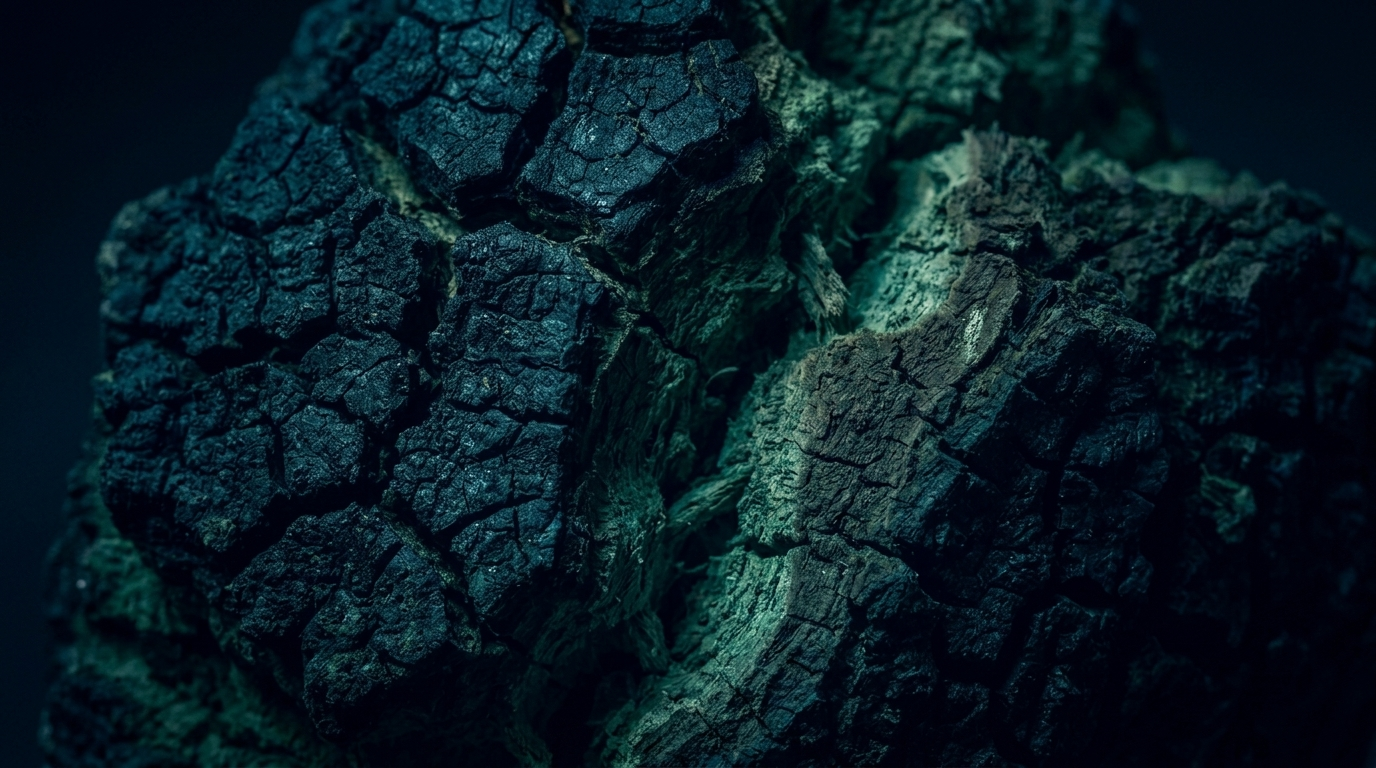
Unlike many medicinal mushrooms, Chaga is not a traditional fruiting body. Instead, it forms a dense black mass known as a conk that grows on living birch trees in northern forests.
At Superoom, our Chaga is wild-harvested from Finnish birch forests, where it grows slowly under some of the harshest environmental conditions in the world. Long winters. Freezing temperatures. Dramatic seasonal changes. Years of slow growth. These are not ideal growing conditions. They are survival conditions.
Many researchers believe these environmental pressures contribute to the rich spectrum of bioactive compounds found within Chaga, including ergothioneine, polyphenols, melanin, and other antioxidant compounds. Unlike cultivated mushrooms grown under controlled indoor conditions, wild Chaga develops over many years while interacting directly with its natural environment and host tree. This slow-growth process is one reason wild-foraged Chaga has remained highly prized for centuries. Because when it comes to Chaga, origin matters just as much as extraction.
Why Superoom Uses Chaga
At Superoom, we use wild-harvested Finnish Chaga and extract it using triple ultrasonic extraction. Dual extraction helps access both water-soluble and alcohol-soluble compounds. Triple ultrasonic extraction further supports compound release by helping break down fungal structures and improve access to naturally occurring bioactive compounds.
This approach is designed to maximise access to the mushroom's naturally occurring compounds while preserving its complexity. Rather than focusing on a single molecule, we believe in delivering the full spectrum of compounds that make Chaga one of the most fascinating fungi in modern longevity science. Because healthy ageing is rarely about one compound alone. It is about supporting the systems that help the body remain resilient over time.
Key Takeaways
- Chaga has become one of the mushrooms most closely associated with longevity.
- Ergothioneine is one of the most studied compounds found within Chaga.
- The body has a specialised transport system dedicated to absorbing and distributing ergothioneine.
- Researchers are investigating its role in oxidative stress, mitochondrial health, and healthy ageing.
- Oxidative stress is one of the major processes involved in cellular ageing.
- Chaga combines ergothioneine with polyphenols, melanin, beta-glucans, and other bioactive compounds.
- Wild Finnish Chaga develops under harsh environmental conditions that may contribute to its rich bioactive profile.