
Why Arctic-Grown Mushrooms Matter
In the mushroom industry, conversations often focus on extraction methods, bioactive compounds, and scientific studies. These things matter. But there is another factor that receives far less attention: environment.
Where a mushroom grows influences everything from its development and resilience to the compounds it produces throughout its lifecycle. At Superoom, we believe exceptional mushroom extracts begin long before extraction. They begin in the environment itself.
Why Environment Matters
Not all mushrooms are created equal. Two products may share the same species name while differing significantly in quality, cultivation methods, growing conditions, and bioactive compound levels. This is true throughout the natural world. Wine reflects its vineyard. Coffee reflects its region. Olive oil reflects its terroir. Mushrooms are no different.
The environment in which a mushroom grows influences the conditions it experiences throughout its lifecycle. For this reason, origin should be viewed as a quality factor rather than simply a geographical detail.
What Makes Arctic Environments Different?
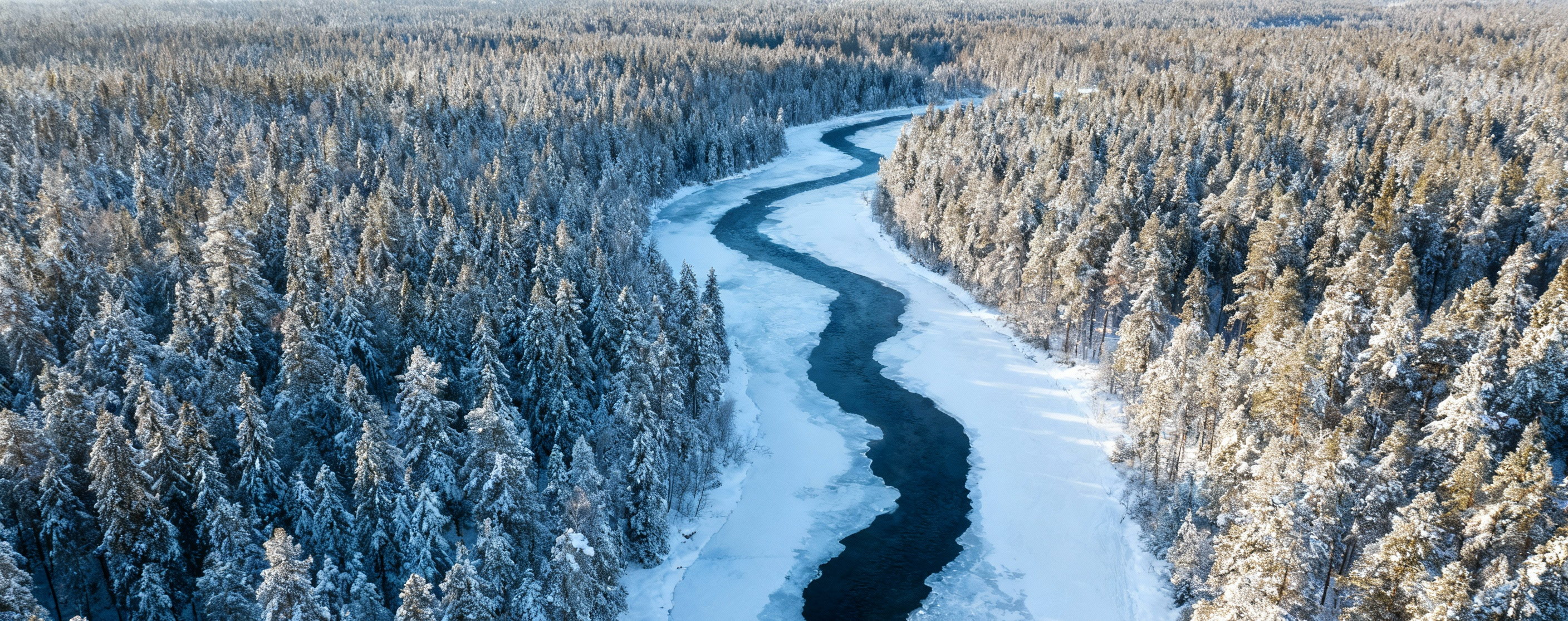
The Arctic is one of the most demanding environments on earth. Long winters. Short growing seasons. Extreme seasonal variation. Months of darkness followed by periods of intense summer light. For a mushroom, these are not easy conditions. They are survival conditions.
Like all living organisms, mushrooms respond to the environment around them. Temperature. Light. Water. Competition. Seasonal change. Many researchers believe these environmental pressures play an important role in fungal development, influencing the production of the compounds mushrooms use to adapt and survive. This is one reason Arctic-grown mushrooms have attracted growing interest among researchers and consumers alike.
How Climate Influences Mushroom Development
Growing conditions shape every stage of a mushroom's lifecycle. In northern environments, growth is often slower and more seasonal than in intensive agricultural systems. Rather than developing under constant conditions year-round, Arctic-grown mushrooms experience dramatic changes in temperature and daylight throughout the year.
This creates a very different environment from large-scale industrial production systems. While research into environmental influences continues to evolve, many experts believe these natural stressors contribute to the complexity of the mushroom and the compounds it produces. In nature, resilience is rarely created by comfort. It is created through adaptation.
Clean Air, Clean Water, Clean Forests
Medicinal mushrooms interact closely with their environment. This makes environmental quality particularly important. The Arctic is home to some of the cleanest ecosystems on earth. Vast forests. Low population density. Clean water. Minimal industrial pollution.
These conditions help create an environment where mushrooms can develop largely as nature intended. For us, quality begins with the raw material. And the quality of the raw material begins with the quality of the environment.
Why Slow Growth Matters
Modern agriculture often prioritises speed. Nature rarely does. Many of the world's most prized natural ingredients are valued because they develop slowly. The same principle applies to mushrooms. Growth is not simply about quantity. It is about development.
In Arctic environments, mushrooms are exposed to dramatic seasonal changes that influence their growth cycles. While faster production may improve efficiency, medicinal mushrooms are valued for the compounds they produce rather than the speed at which they grow. This is one reason we believe quality begins with patience.
From Wild Strains to Controlled Cultivation
Not all medicinal mushrooms grow in the same way. At Superoom, our approach begins in the Arctic. The mushroom strains we work with originate from wild Nordic forests, where they have spent generations adapting to some of the harshest growing conditions on earth.
Researchers and cultivators identify exceptional strains based on characteristics such as vigour, resilience, growth performance, and bioactive compound production. These carefully selected strains are then cultivated under controlled conditions. This allows us to preserve the genetics of mushrooms that evolved in the wild while ensuring the consistency, purity, and quality required for modern supplementation.
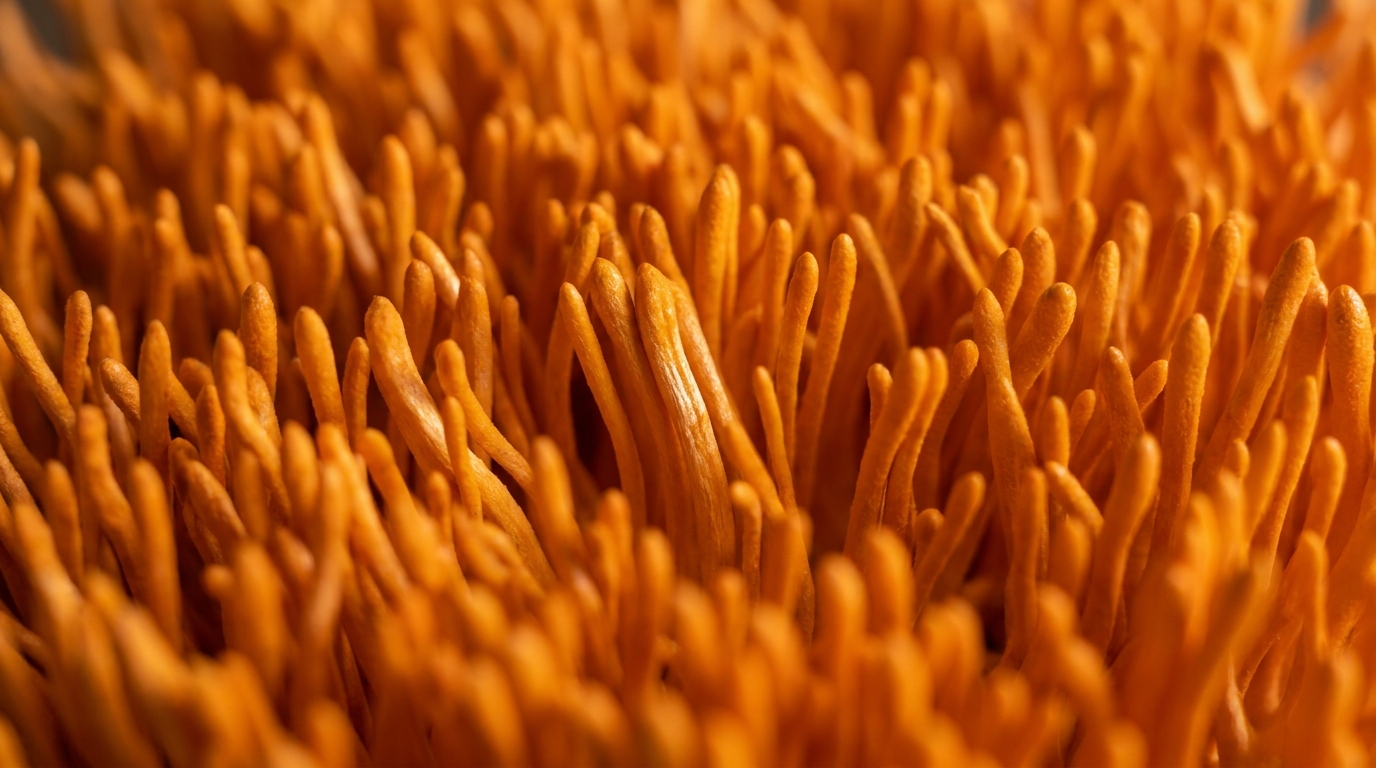
In many ways, the process is similar to agriculture. The most desirable grape varieties are selected from nature and cultivated in vineyards. The most desirable coffee plants are selected and propagated. Medicinal mushrooms are no different. Our Lion's Mane, Reishi, and Cordyceps all begin with carefully selected Nordic strains before being cultivated under tightly controlled conditions designed to support consistency and quality.
Chaga is different. Unlike traditional mushrooms, Chaga forms a dense black conk on living birch trees and develops slowly over many years in its natural environment. For this reason, our Chaga is wild-harvested from Arctic birch forests, where it remains deeply connected to the ecosystem that shaped it.
Although the cultivation methods differ, the philosophy remains the same. Start with exceptional genetics. Respect the environment. Protect the integrity of the mushroom. Because quality begins long before extraction.
Why Environment Matters Just as Much as Extraction
Extraction is often where the conversation begins. In reality, it should be where the conversation continues. Even the most advanced extraction method cannot improve poor-quality raw materials. The compounds available for extraction are influenced by everything that came before: species selection, growing conditions, environmental quality, harvesting methods and development time. Extraction helps unlock those compounds. But environment helps create them. Both matter.
Why We Source from the Arctic
When we created Superoom, we started with a simple belief: exceptional mushrooms begin with exceptional growing conditions. That meant looking beyond convenience and focusing on environment. Clean air. Clean water. Untouched forests. Dramatic seasons. Slow growth.
The Arctic provides all of these conditions. It is one of the few places in the world where mushrooms can develop in environments shaped largely by nature rather than industrial agriculture. Combined with our commitment to triple ultrasonic extraction, this gives us confidence that every bottle begins with the highest-quality raw materials possible. Because great mushroom extracts are not made in the extraction process alone. They begin long before that, in the environment where the mushroom grows.
Key Takeaways
- Environment is one of the most overlooked factors in mushroom quality.
- Arctic-grown mushrooms develop under challenging environmental conditions that may influence their bioactive profiles.
- Clean air, clean water, and intact forest ecosystems help create exceptional growing conditions.
- Slow growth allows mushrooms to develop naturally within their environment.
- Our Chaga is wild-harvested from Arctic birch forests, while our Lion's Mane, Reishi, and Cordyceps are cultivated under carefully controlled conditions.
- Environment influences the quality of the raw material before extraction even begins.
- Great mushroom extracts begin with great growing conditions.