
Fruiting Body vs Mycelium: Why the Difference Matters
The Mushroom You See Is Only Part of the Story
Walk through the forest after rain and you'll see mushrooms emerging from fallen logs and tree roots. These visible structures are known as the fruiting body - the reproductive part of the organism. Beneath the surface lies an intricate underground network called mycelium, a web-like structure responsible for gathering nutrients and supporting growth.
Both are technically parts of the same organism. However, when it comes to mushroom supplements, they are not nutritionally equivalent.
Understanding the difference between fruiting body and mycelium is one of the most important - and most overlooked - factors when choosing a mushroom supplement.
What Is a Fruiting Body?
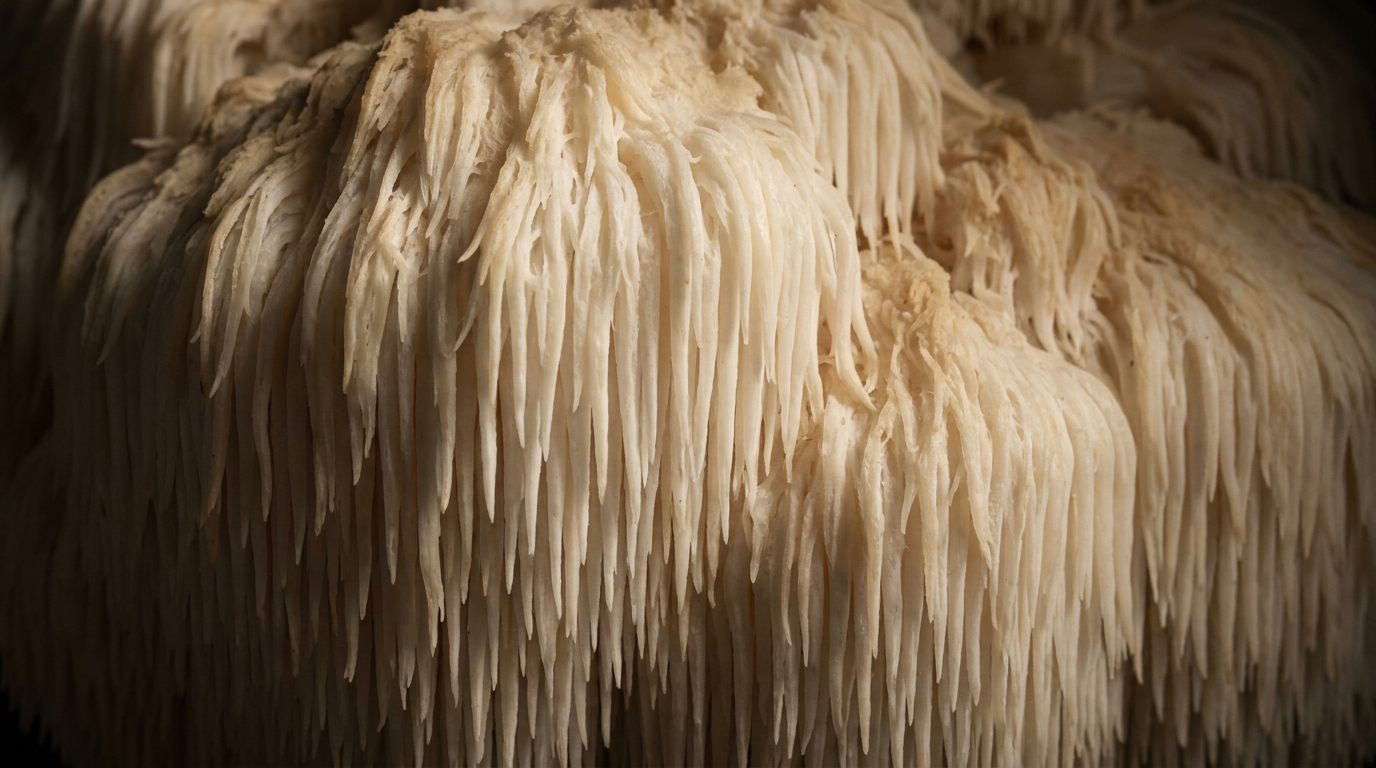
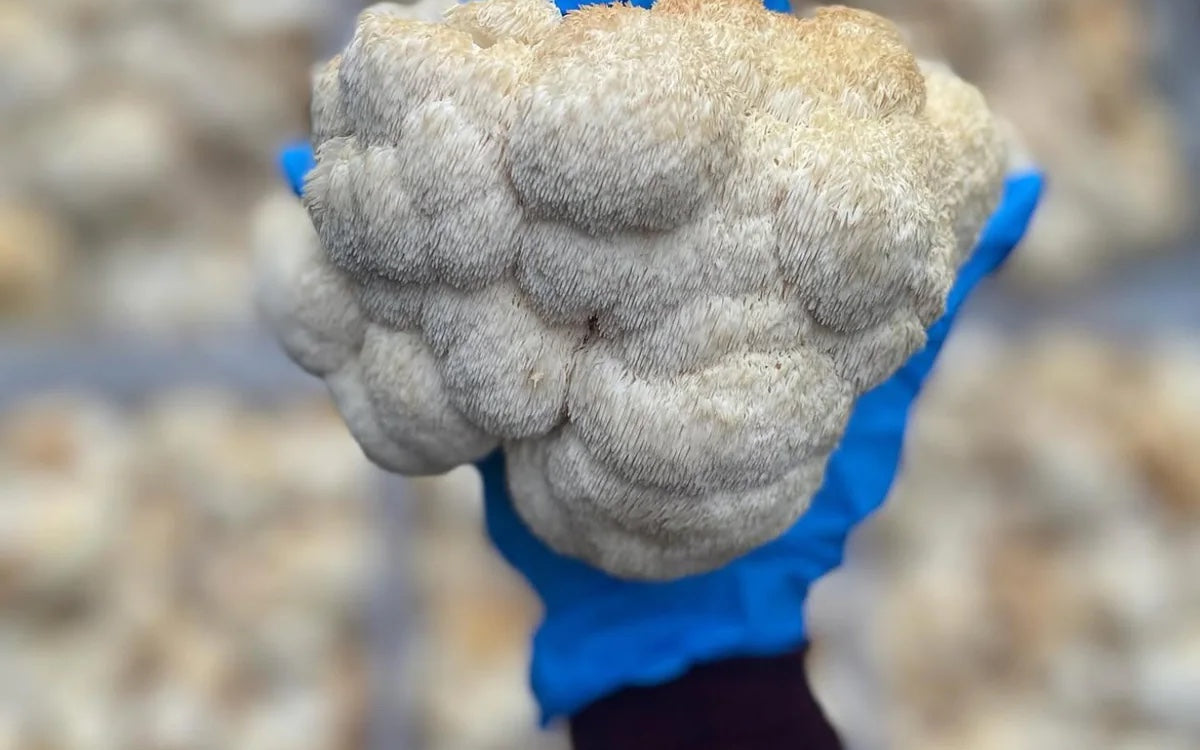
The fruiting body is the mature mushroom itself.
For centuries, traditional practitioners throughout China, Japan and Northern Europe used the fruiting body of mushrooms such as Lion's Mane, Reishi and Chaga in teas, broths and medicinal preparations.
Modern research has identified many of the compounds responsible for the biological activity of these mushrooms within the fruiting body, including:
- Beta-glucans
- Triterpenes
- Hericenones
- Ergothioneine
- Adenosine
These compounds have been studied for their potential roles in cognitive function, immune support, stress resilience and healthy ageing.
What Is Mycelium?
Mycelium is the root-like network of fungal fibres that grows beneath the mushroom.
In nature, mycelium is essential. It acts as a biological communication and nutrient transport network, often stretching for miles underground.
However, most commercial mycelium supplements are not harvested from forests. Instead, they are grown on grain substrates such as rice or oats inside controlled environments.
After cultivation, the entire biomass - including fungal material and leftover grain - is typically dried and processed into powder.
This distinction is important because the final product may contain substantial amounts of grain-derived starch alongside fungal material.
Why Fruiting Body Extracts Tend to Be More Potent
The key issue is concentration.
When consumers purchase a Lion's Mane supplement, they are usually seeking compounds such as hericenones and beta-glucans, not rice flour.
Independent testing has repeatedly shown major differences between products marketed as mushroom supplements.
Some mycelium products contain significant starch levels, indicating large proportions of residual grain. By contrast, fruiting body extracts generally contain substantially higher concentrations of the compounds most commonly associated with mushroom benefits.
This is one reason why many researchers, clinicians and experienced mushroom users prefer fruiting body extracts.
Extraction Matters as Much as the Mushroom
Not all fruiting body supplements are equal.
Many of the most valuable mushroom compounds are locked within chitin-rich cell walls that the human digestive system struggles to break down efficiently.
Extraction helps release these compounds into a form that is more bioavailable.
Different extraction methods target different compounds: hot water extraction targets beta-glucans, polysaccharides and other water-soluble compounds; alcohol extraction targets triterpenes, hericenones, adenosine, cordycepin and other alcohol-soluble compounds; dual extraction captures both water and alcohol-soluble compounds for broader-spectrum extraction; and ultrasonic extraction supports the release of bioactive compounds by helping break down fungal cell walls and improving access to the mushroom's full spectrum of naturally occurring compounds.
Why Superoom Uses 100% Fruiting Bodies
At Superoom, every extract is produced exclusively from fruiting bodies sourced from Finland.
We use dual extraction combined with ultrasonic extraction technology to maximise the availability of key compounds while preserving the natural complexity of the mushroom.
Each batch undergoes independent third-party testing for active compounds and quality verification.
This approach reflects a simple philosophy: the quality of a mushroom supplement is determined not by the label on the bottle, but by the quality of the mushroom, the extraction process and the evidence behind it.
The Bottom Line
Not all mushroom supplements are created equal.
While both fruiting bodies and mycelium are parts of the same organism, they differ significantly in composition, cultivation methods and concentrations of key bioactive compounds.
For consumers seeking the highest concentration of researched mushroom compounds, fruiting body extracts remain the preferred choice among many researchers, clinicians and mushroom specialists.
Understanding this distinction can help separate genuinely high-quality mushroom supplements from products that rely more heavily on grain than mushroom.